

Welcome back to our “Meet the Candidates” series, where District 2 supervisor candidates respond to a question in 100 words or fewer. Answers are published every Tuesday.
To see what candidates said in other weeks on topics like housing and taxes, read their answers here.
District 2 covers neighborhoods in the north of the city, including the Presidio, the Marina, Cow Hollow, Pacific Heights, Presidio Heights, Anza Vista and portions of the Western Addition and North of the Panhandle.
Every year, the confused parents of children entering San Francisco’s public schools have to confront the lottery.
The system is, theoretically, simple. Parents provide a ranked list of their top choice San Francisco Unified School District picks by late January. SFUSD runs a lottery and, a few months later, the district tells parents where their kid is assigned.
But parents hate it.
Making the list of schools is time-consuming and the wait is anxiety-inducing, parents say. Plus, the results can be disappointing: An assignment to a school they didn’t want, or one with a start or end time that is impossible to coordinate around work schedules.
So, why have a lottery system? The lottery started in 2002 after a court decision prohibited the district from considering race when making school assignments. But SFUSD didn’t want to simply send students to their nearest school, which would result in schools segregated by class and race, mirroring the city itself. So, it started using a lottery.
In the end, though, SFUSD data showed that the lottery system exacerbated inequality in the school system.
So, in 2020, SFUSD’s Board of Education voted to move San Francisco back to a zone-based system of school assignments. The hope was that the new zone system would lead to more predictability, students enrolled in schools closer to home, and more diverse classrooms.
In reality, figuring out how to divide the city into zones that allow for all three of those factors — predictability, proximity and diversity — is a tall order. Though the new zones were supposed to be implemented by the 2026-2027 school year, there is no current proposal for what the zones would look like and no timeline for SFUSD switching over.
This week’s question: How should SFUSD students be assigned to schools?

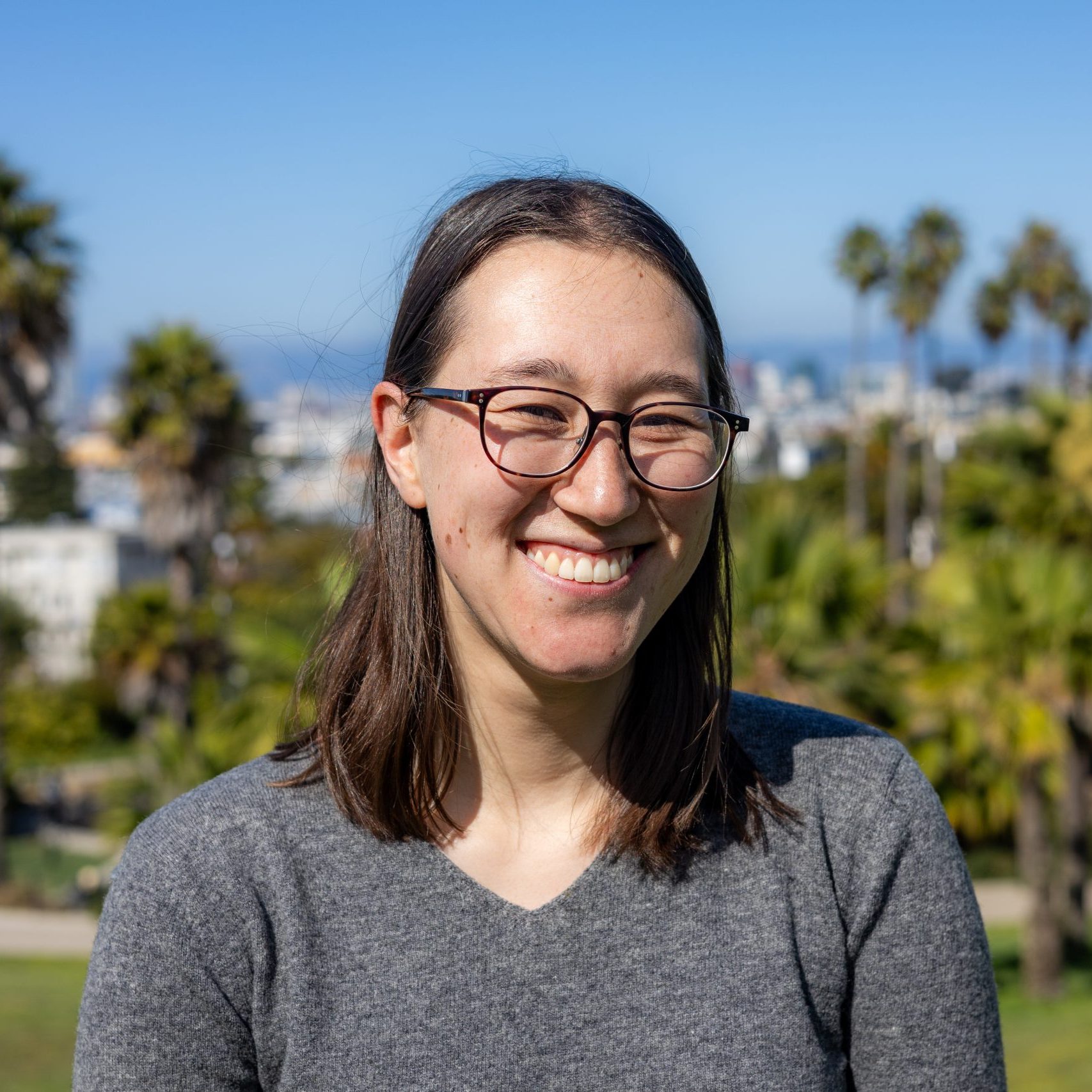
Lori Brooke
- Job: President, Cow Hollow Association
- Age: 62
- Residency: Homeowner, moved to the district 31 years ago
- Transportation: Driving and walking
- Education: Bachelor’s degree from the University of California, Santa Barbara
- Languages: English
When assigning schools to students, SFUSD should prioritize accessibility, strong education and ensure schools across the city are equally resourced.
I have heard complaints from many parents that they would like the option to walk their kids to school and not have to send them an hour across the city every day.
We can improve the selection process to ensure that students can choose a school in their neighborhood. Limiting travel time will also give kids one less thing to worry about and ensure that they are more focused on their education.
See Brooke’s full response here.
Endorsed by: Former District 2 Supervisor Michela Alioto-Pier, former State Senator and Supervisor Quentin Kopp, UESF, CA Working Families Party … read more here.

Stephen Sherrill
- Job: Appointed District 2 Supervisor
- Age: 39
- Residency: Homeowner, moved to the district 11 years ago
- Transportation: Driving, public transportation, biking
- Education: Bachelor’s degree from Yale University
- Languages: English
SFUSD should move to a simpler, more neighborhood-based assignment system. Families deserve a fair chance to attend a school closer to home, without a confusing citywide lottery or long commutes.
Assignment reform also has to be matched by a serious focus on school quality. In a district facing budget cuts and hard decisions about its footprint, resources should be concentrated so neighborhood schools can offer students the staffing, support, and academic programs they need. While the Board of Supervisors does not control SFUSD policy, I will continue to use this office to advocate for that approach.
See Sherrill’s full response here.
Endorsed by: Mayor Daniel Lurie, GrowSF, Nor Cal Carpenters Union, San Francisco Police Officers Association, SF YIMBY, Northern Neighbors … read more here.
Candidates are ordered alphabetically and rotated each week. Answers may be lightly edited for formatting, spelling, and grammar. If you have questions for the candidates, please let us know at io@missionlocal.com.
You can register to vote via the sf.gov website.

The district has been “talking” about changing the assignment system for years, but every year they have pushed into the future.
“At the end of 2020, the SFUSD Board of Education approved a new zone-based school assignment policy for elementary schools, Board Policy 5101.2. Due to district circumstances, the new policy will not be implemented for the 2026-27 school year, as previously planned. SFUSD staff will continue working with district leadership and the Board of Education to make decisions about the new policy, plan community engagement, and determine the implementation timeline.”
https://www.sfusd.edu/schools/enroll/student-assignment-policy/student-assignment-changes
Every elementary child should be able to get to school without being driven. The system is weird, but there are also plenty of weird parents/guardians who assume their child can only go to a “select” school. A “select” school might mean it’s not in a poor neighborhood, it is an immersion school, it has the right start time (there are three different schedules for elementary schools, with start times at 7:50, 8:40, and 9:30, or it’s one that has a “good” reputation).
When someone asks me if a school is “good,” I always ask them what they mean. Usually that means high test scores, which of course is silly. A child’s test score is independent of any other student’s score, and certainly has no relation to the “average” test score. But people like to use that as an excuse for their choice to drive their kids across town every day.
High test scores indicate a). how well the teachers do at getting students up to speed on the curriculum and b). how far along the class/school is.
Since the school district refuses to do gifted and talented programs, tracking, or any kind of differentiation this is the closest thing to an indicator parents have to go off of to make sure their kid won’t be harmed. If your child is reading above grade level and only 20% of the rest of the class is meeting grade level, how are they supposed to get an education that meets them where they are?
This question is grounded more in politics than policy. SFUSD has provided extensive outreach and engagement strategies to support parents across the city. The issue the needs to be addressed is the resource alignment across different part is the city. It time the both governments and free press ask parents, community members and its community based organizations how the issue can be addressed so every child experiences the supports they deserve.
Great question, but the reality is that our City Supervisors and other elected officials have no jurisdiction over the Board of Education. Elected officials can strongly recommend, as the Civil Grand Jury does. Let me be clear, the District and the Board of Education are not legally compelled to take direction from the City, its Supervisors, or the voters. A better question to ask Supervisor candidates is how they would amend the City Charter to ensure proper oversight and real local control for San Francisco public schools.
Instant run-off lottery. Students rank their choices. Each school is processed. Those who do not get their first choice go back into the lottery. The second choice now becomes the first choice. Repeat until all students are assigned a school.