

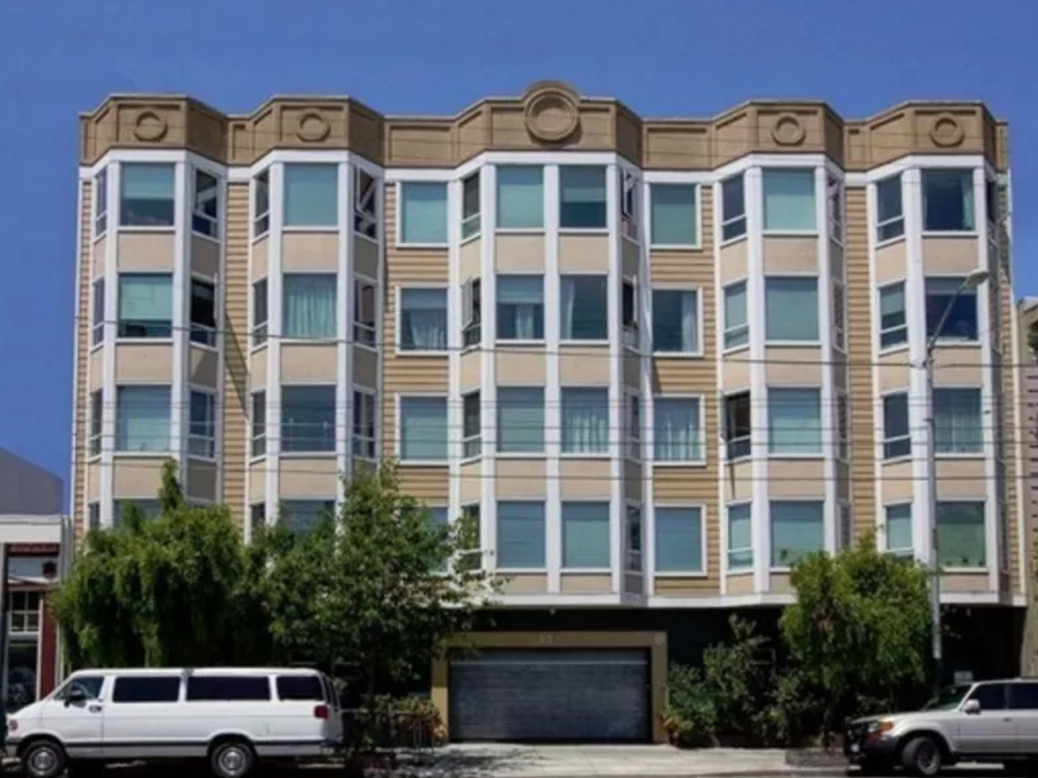
With the median sales price in San Francisco $1.1 million at the end of 2015 — up from $681,000 in 2010 — buying a home in San Francisco may seem impossible for anyone without sizable savings and income. But for the few ready to jump through some housing hoops to enter a lottery, there are currently dozens of affordable housing units aimed at low to middle income first-time homeowners. In addition, the city has a variety of loan assistance programs for those who can buy market-rate.
Inclusionary Housing
With just 56 available units out of a total of 900 citywide, the inclusionary housing program is no panacea for those trying to stay in the city, but it does offer a chance for some to move into the tightest housing market in the country.
The units come out of a law that requires developers building 10 or more units to make 12 percent of them permanently affordable for either rental or homeownership. The rent or sales prices of those units is restricted by the city.
While affordable rental units in the city are typically available to those making 60 percent of area median income or below ($42,800 for a single-person household), below-market-rate units for sale can be bought by those making as much as 90 percent of area median income. That’s $64,200 for a single-person household or $91,700 for a family of four.
The units are restricted to buyers who have not owned any part of a housing unit for three years prior to the application period.
A few units are also available to those making up to 150 percent of area median income. The wide range of acceptable incomes means anyone interested should follow the Mayor’s Office of Housing’s advice and take the following steps:
First, potential homeowners must sign up for a workshop and counseling session from one of five non-profits listed on the housing office website. (For Mission residents, the Mission Economic Development Agency at 19th and Mission provides these courses in Spanish and English.) The courses are six hours in total, and can be taken in either a single six-hour block or multiple shorter blocks.
Once a potential buyer completes those classes, he or she is given a certificate that expires after a year. In that time, buyers should again meet with one of the five non-profits listed by the housing office to go over their income qualifications and the loans available to them.
Some units have asking prices of just $157,000 while others come in at $494,000 — and all have different income qualifications. Meeting with a non-profit not only helps determine eligibility but also clarifies possible fees including home association fees, that must also be paid.
Potential buyers must then choose one of dozens of approved private lenders citywide to secure pre-approval for a home mortgage. There are a variety of loan-assistance and refinancing programs provided by the city — with dedicated programs to teachers and first-responders — that can help potential buyers secure funds for their first San Francisco home.
The most common of these programs, the Downpayment Assistance Loan Program, does not require monthly payment and only needs to be repaid when the house is sold or 30 to 40 years have passed. The loan can be for a maximum of $57,000 or 15 percent of the asking price.
Only after all of this can an individual apply to one of a few dozen units citywide. After applying and being accepted, they enter a lottery for that unit. Statistics on the lottery are unavailable, but if it’s anything like the lottery for rentals, potential homeowners may be competing with hundreds of people for a unit.
If they are not accepted, potential homeowners must apply to a different unit and begin the lottery process anew.
Loans for Market-Rate Housing
Low and middle-income buyers can also seek a market-rate unit and use the city help to finance it. There is also a Downpayment Assistance Loan Program for market-rate units that is more generous than the one for below-market-rate units because of the higher costs involved.
Under that program, households looking to purchase a single-family home in San Francisco at market-rate can apply for a loan of up to $200,000, a loan that does not need to be repaid until the home is sold or 30 to 40 years has passed.
The loan is income-restricted: Households cannot make more than 120 percent area median income, or $122,300 for a family of four. It also prevents the purchase of homes with a no-fault eviction in the last 10 years or a resale in the last 90 days, a restriction aimed at property-flipping.
(The loans for teachers, police officers, and firefighters are similar to those above.)
If potential San Franciscans are interested in these programs, they can subscribe to the housing office email alert system to be notified of new properties on the market or they can check the housing office website for a listing of current properties. Otherwise, low and middle-income residents can try renting an affordable unit, or go on the market to compete for those $1.1 million homes.
“85 percent of Muni drivers do not live in San Francisco.”
Eric Williams- Transport Workers Union 250A President (06-12-14)
Housing by lottery. Nothing could be more unfair.
As for the previous comment: what about bus drivers?
Disrespected, provide an essential service, make much less than cops or firefighters, work longer hours (and more days) over 52 weeks in the year than teachers do, are subject to a lower wage during their first years (as are teachers), are much more likely to be of a minority and immigrant than cops, firefighters or teachers.
Thank you for pointing out that some people are not equal in your eyes.
Police, Firefighters and teachers should have first dibs on ALL affordable housing. Once they are taken care of, then everyone else should get in line. They are the most important civil servants we have and should be treated as such. Yes, more important that muni drivers, tech workers, service folks, artists, etc,,. Not everyone is equal as many would like to believe.